Why brand design should come first in retail projects
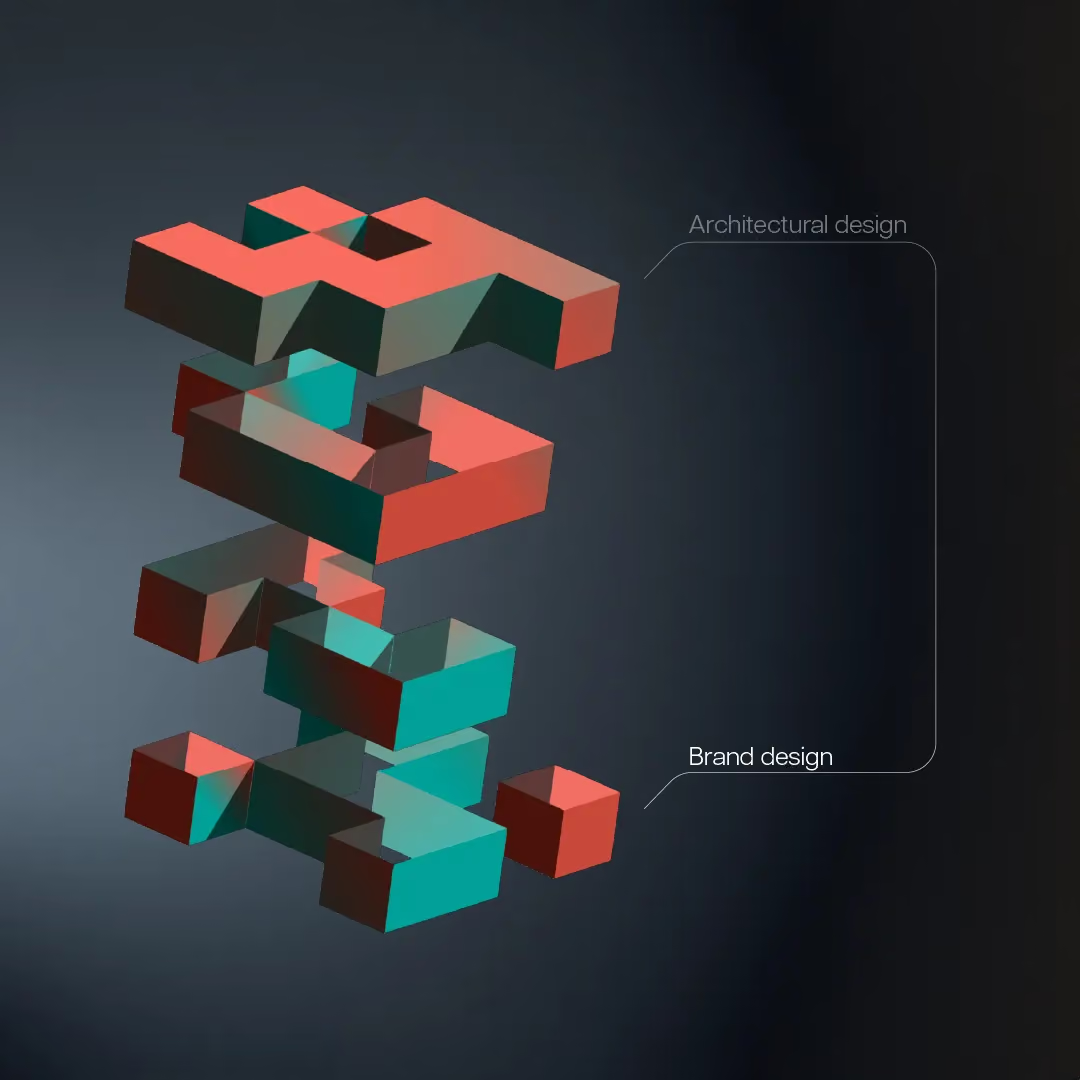
When planning a retail space, brand design should always come before architectural design – and certainly before any interior fit-out decisions. The brand strategy sets the foundation for materials, colours, and finishes, ensuring everything aligns with the overall vision.
By putting brand design first, you create a space that not only looks great but also tells a compelling story — one that resonates with customers and stands the test of time.
When planning a retail space, brand design should always come before architectural design – and certainly before any interior fit-out decisions. The brand strategy sets the foundation for materials, colours, and finishes, ensuring everything aligns with the overall vision.
While brand design is often a shorter workstream than architectural design, getting the sequence wrong can lead to unnecessary delays, disjointed aesthetics, and missed opportunities for seamless brand integration. Without a clear brand identity established early on, architectural and interior design decisions may take precedence, potentially resulting in a final space that doesn’t truly reflect the brand’s values or customer experience goals.
This isn’t to say that brand design is more important than architecture, but rather that the two should work together in harmony. For example, if a brand’s purpose focuses on sustainability—perhaps as a certified B Corp—this should influence the building materials, finishes, and overall structure. At the same time, external design may be shaped by local planning regulations and historical influences. A holistic branding strategy ensures that all these elements are considered from the outset.
Avoiding Common Pitfalls
One of the biggest mistakes we see is when architectural firms—keen to get started—and clients eager to move quickly begin designing interiors without a clear brand strategy. Too often, branding is seen as just a logo, added at the end of the process rather than forming the foundation of the project. This approach can lead to:
- Disjointed spaces that don’t fully represent the brand’s identity.
- Delays in finalising signage, wayfinding, and materials.
- Trend-driven designs rather than spaces built around long-term brand values.
In retail projects, brand design must come before architectural planning to make sure the physical space is a true expression of the brand's identity, guiding all material, layout, and finishing decisions.
The Key to a Successful Retail Space
At Garden, we specialise in branding consultancy that integrates seamlessly with architectural projects. We work closely with architects to anticipate branding needs and ensure that every design choice reflects the brand from strategy through to material selection.
Bringing in a branding company early in the process prevents misalignment, reduces costly revisions, and ultimately leads to a stronger, more cohesive retail experience. By putting brand design first, you create a space that not only looks great but also tells a compelling story — one that resonates with customers and stands the test of time.
How does brand strategy influence the choice of materials in a retail store?
A brand strategy shapes the core values and personality that directly influence material selection. A brand focused on sustainability, for example, would choose reclaimed or ethically sourced materials. A luxury brand might use premium finishes like marble and brass to communicate quality and exclusivity.
What are the risks of designing a retail interior before the brand strategy is final?
Designing an interior before the brand strategy is finalised can lead to a confusing customer experience and costly revisions. The space may reflect current trends rather than timeless brand values, requiring expensive changes to signage, finishes, and fixtures later on. This approach undermines the brand’s integrity and often causes project delays.
By Sam Fraser Steele
 NEWS
NEWS