The brands I admire, and the identities I admire, are not the same list
I was asked recently which brands I admire, and I found myself giving two completely different answers depending on what the question actually meant. That gap turned out to be more interesting than either answer, so I thought I'd write it down. By Joe Hedges
The brands I admire, and the identities I admire, are not the same list
I was asked recently which brands I admire, and I found myself giving two completely different answers depending on what the question actually meant. That gap turned out to be more interesting than either answer, so I thought I'd write it down.
The brands I admire for what they do
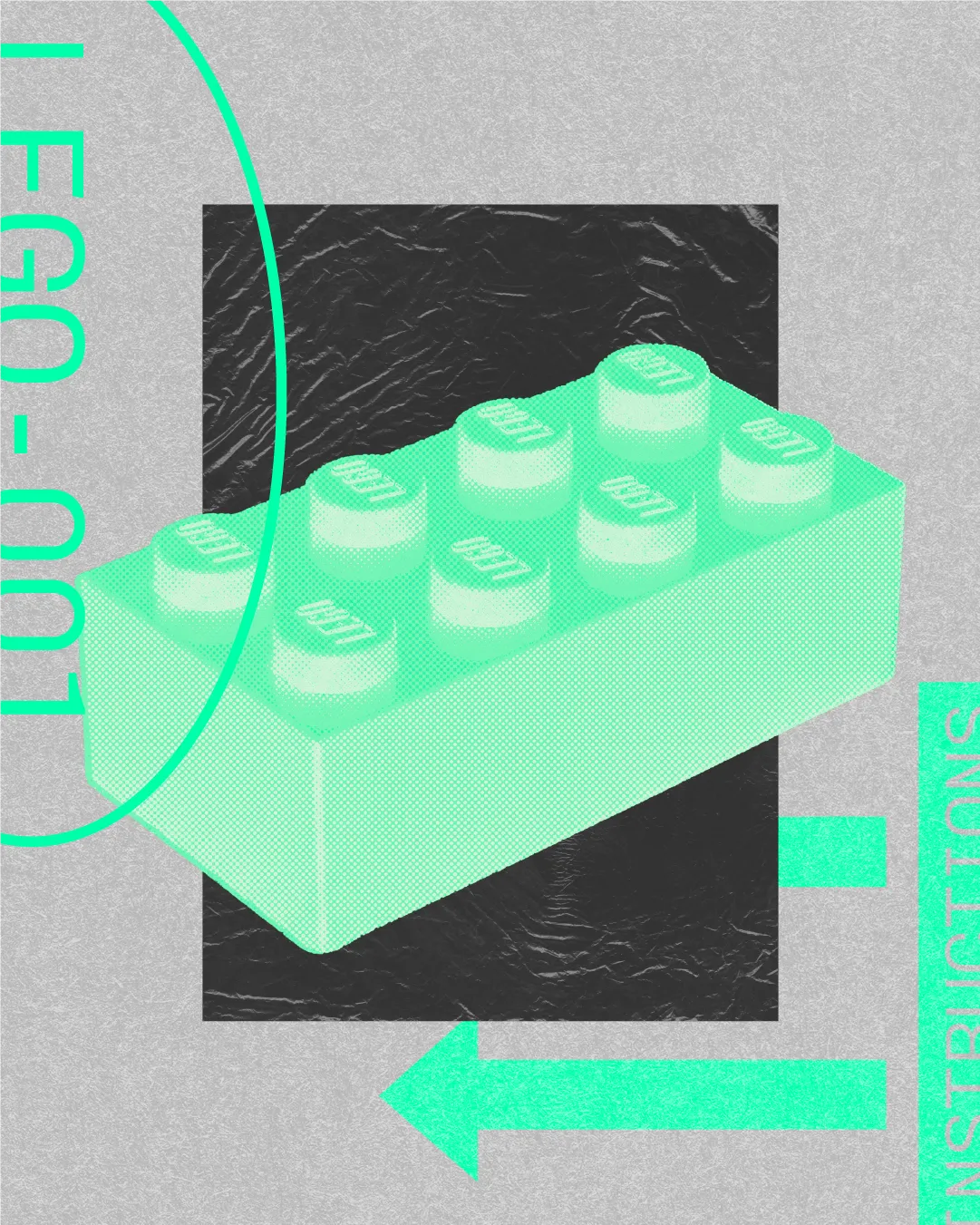
Lego is the obvious place to start, and I make no apology for that. What I love about Lego is how a long standing brand has stood the test of time by simply understanding that children, and plenty of adults, love experimentation and play through three dimensional space. But it's also one of the best examples I can think of of a brand future proofing itself by diversifying its core offering without ever losing sight of what it stands for. Legoland took the brick into physical experience, the Lego Movie franchise took it into entertainment, and yet both feel completely true to the same values of play that a box of bricks carried in 1958. Most brands that stretch that far snap. Lego stretched and somehow became more itself.
Wild I admire for what it saves. The refillable system is quick, easy and it just works, which sounds like faint praise until you notice how many sustainable products ask you to compromise on convenience to feel virtuous. Wild asks nothing of you.
Airbnb created a whole new category from something that already existed, opening the door, pun genuinely not intended, to anyone with a room or a property to let. It made travel easier and it diversified opportunity in communities that traditional tourism never reached. I find that quietly remarkable.
Vinted sits in the same territory for me. A brand that helps people reduce waste while letting anyone be creative and fashionable without spending a fortune on branded products. What's not to love about that?
And Duolingo changed how people learn a language by making it fun, which I can vouch for personally. There is something disarming about a brand that has actually helped you.
Here's the thing though. When I look back at that list, very few of those actual identities are groundbreaking. The logos, the visual systems, the design craft, most of it is perfectly fine rather than thrilling. I admire these brands for their behaviour, their model, their effect on people's lives. The identity is almost incidental.
The identities I admire as craft
Ask me about identities I love and the list changes entirely. I like EE's brand, and to be honest many of the telcos do a good job of disruption in a category you'd expect to be beige. The BBC and Channel 4 identities are wonderful pieces of disruptive, generative thinking, systems that live and move rather than sit still. Aesop I admire for its packaging and store design, restraint done with total conviction. Who Gives a Crap manages to be fun and genuinely good in an awkward category, which is harder than it looks. LenLen is disruptive and cool. And both Merck and GSK have reinvented what was a staid sector, proving that even pharmaceutical giants can carry an identity with real energy.
What I take from the difference
The honest conclusion is that a groundbreaking identity and a brand that changes how people live are rarely the same thing, and I'm not sure they need to be. Lego's logo has barely moved in decades and it doesn't matter, because the brand's behaviour does the talking. Channel 4's identity does an enormous amount of talking because that is precisely its job.
What matters, I think, is knowing which kind of brand you are building and where the admiration should come from. The trouble starts when a business invests in the costume while neglecting the character, or builds a wonderful character and dresses it in something forgettable when the category is crying out for craft.
So I'll leave you with the question I ended up asking myself. The brands you admire, do you admire them for what they do, or for how they express it? And if you're honest about your own brand, which list would it make?
 NEWS
NEWS.webp)