Your logo is not your brand
A logo tells people who you are. A brand tells them what to feel, think and expect from every interaction that follows. This piece explores what a brand actually is, the parts that go unseen, and why the real work begins after the guidelines are signed off.
There is a moment most organisations experience at some point, usually after a rebrand, when the new logo goes up on the wall, the guidelines get distributed, and everyone exhales. Job done, they think. Brand sorted.
It rarely takes long before something feels off. The logo is new but the customer experience hasn't changed. The visual identity is coherent but the way people talk about the company isn't. The logo mark looks confident on a presentation deck and somehow unconvincing in the world.
This happens because a logo, however well-designed, is not a brand.A logo is a mark of identification. A brand is the sum of every experience and association that mark comes to stand for. It is one visible expression of something much larger, and when the visible part changes without the larger thing changing, the disconnect tends to show.
What a brand actually is
A brand is the total experience someone has of an organisation, accumulated across every interaction they have ever had with it. The feel of a retail space. The quality of the product. The behaviour of a service team under pressure. The consistency between what a company says it stands for and what it actually does when standing for something all contribute equally to a brand's equity.
The logo sits within that, as do the colours, the typefaces, the imagery, and the tone of voice. These are the signals a brand sends. But signals only carry meaning if there is something genuine behind them. A beautifully designed logo mark communicating nothing coherent is, in the end, just a shape.
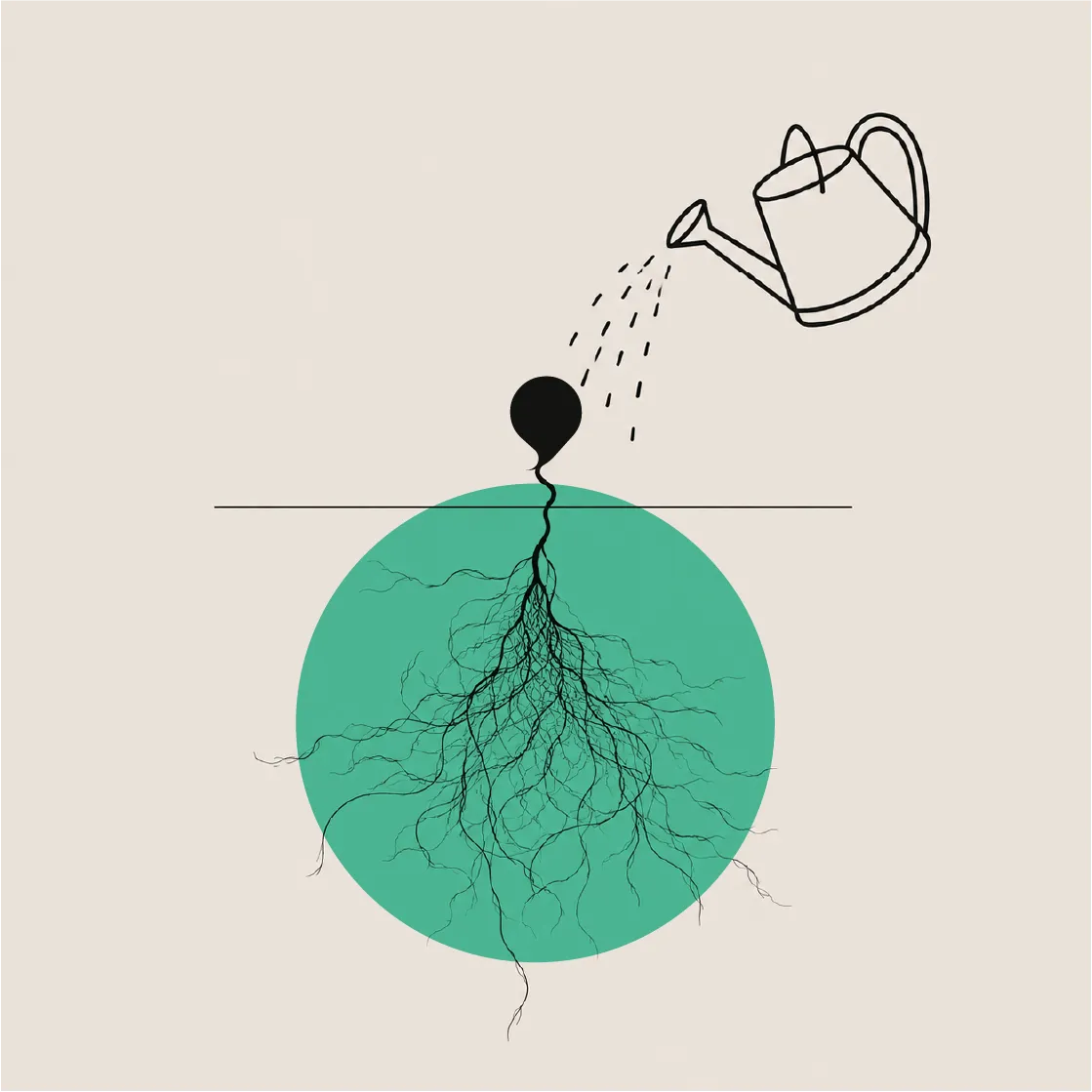
At Garden, we think about brand as a living thing, something that has to be grown and maintained rather than designed and handed over. The visual identity is the starting point of that, not the conclusion.
The parts of a brand that get overlooked
When organisations come to us, the conversation usually starts with what people can see: the logo, the colour palette, the website. Those are legitimate places to start because they are the most visible. But the work that tends to create lasting change happens in less visible places.
Positioning is where it begins. What does this organisation actually stand for, and for whom? A position is not a tagline. It is a set of choices about where you will compete and, just as importantly, where you won't. Without a clear position, visual identity has no anchor.
Tone of voice is the one that surprises people most. Organisations spend significant time on how they look and very little time on how they sound, despite the fact that most of their interactions with customers and employees are verbal. A brand that looks premium but writes in corporate jargon is sending two different signals at once.
Culture and behaviour are the hardest to change and the most important. A brand promise made externally has to be lived internally first. If the people inside an organisation don't believe in what it stands for, the people outside it won't for long either.
Customer experience is where brand becomes real. The most precise visual identity in the world can be undone by a single friction-filled interaction. The brands people genuinely trust are the ones where what they see and what they experience feel like the same thing.
What this means in practice
None of this is an argument against investing in visual identity. A strong logo and coherent visual language matter enormously. They create immediate recognition, signal intent, and give people a way to identify and remember you. The problem is not the investment in visual identity. The problem is treating it as sufficient.
The organisations that get the most from a rebrand are the ones that treat it as an opportunity to work on all of it, what they look like, how they speak, what they stand for, and how that gets lived day to day. The visual identity becomes the outward expression of something that has been properly thought through, and people can feel the difference.
The work of a brand isn't finished when the guidelines are signed off. In some ways, that's when it starts.
Working with Garden
If any of this resonates with where your brand is right now, we'd love to talk. Garden has spent 16 years working with organisations across sectors and geographies on exactly this kind of question, from the strategic foundations through to the visual, verbal, and experiential expressions of brand.
Get in touch at hi@brandingbygarden.com
 NEWS
NEWS